
A white background with a few lines on it

How to Repatriate a Loved One to Latin America (2026)

August 12, 2026

Repatriating a loved one to Latin America involves securing death certificates, obtaining apostilles, and coordinating with consulates for transit permits. Depending on whether you choose human remains or cremation, logistics include specialized embalming or certified mailing. Into Our Kare provides professional guidance to simplify this complex international process.

What is the process for repatriating a loved one to Latin America?

When a death occurs in the United States, and the family wishes for the final resting place to be in their home country in Latin America, a process known as international repatriation begins. This is a multi-step journey that requires coordination between local funeral directors, health departments, state government offices, and foreign consulates. The goal is to ensure that the transition from the U.S. to the country of origin is handled with dignity and complies with all international health and safety regulations.

The process typically begins with the selection of a funeral provider who specializes in At Home & Destination Services . Because the requirements vary significantly between countries like Mexico, Guatemala, El Salvador, or Colombia, having an expert who understands the nuances of each consulate is vital. Families must first decide between repatriating human remains (the body) or repatriating cremated remains (the ashes). Each choice carries different legal and logistical weight.

Once the decision is made, the funeral director acts as a liaison. They handle the initial care of the deceased, perform necessary preparations such as embalming, and begin the rigorous task of gathering paperwork. This involves communicating with the Secretary of State for apostilles and the specific consulate for the destination country to secure a "Transit Permit." The timeline can vary, often taking anywhere from one to three weeks depending on the speed of government offices and flight availability.

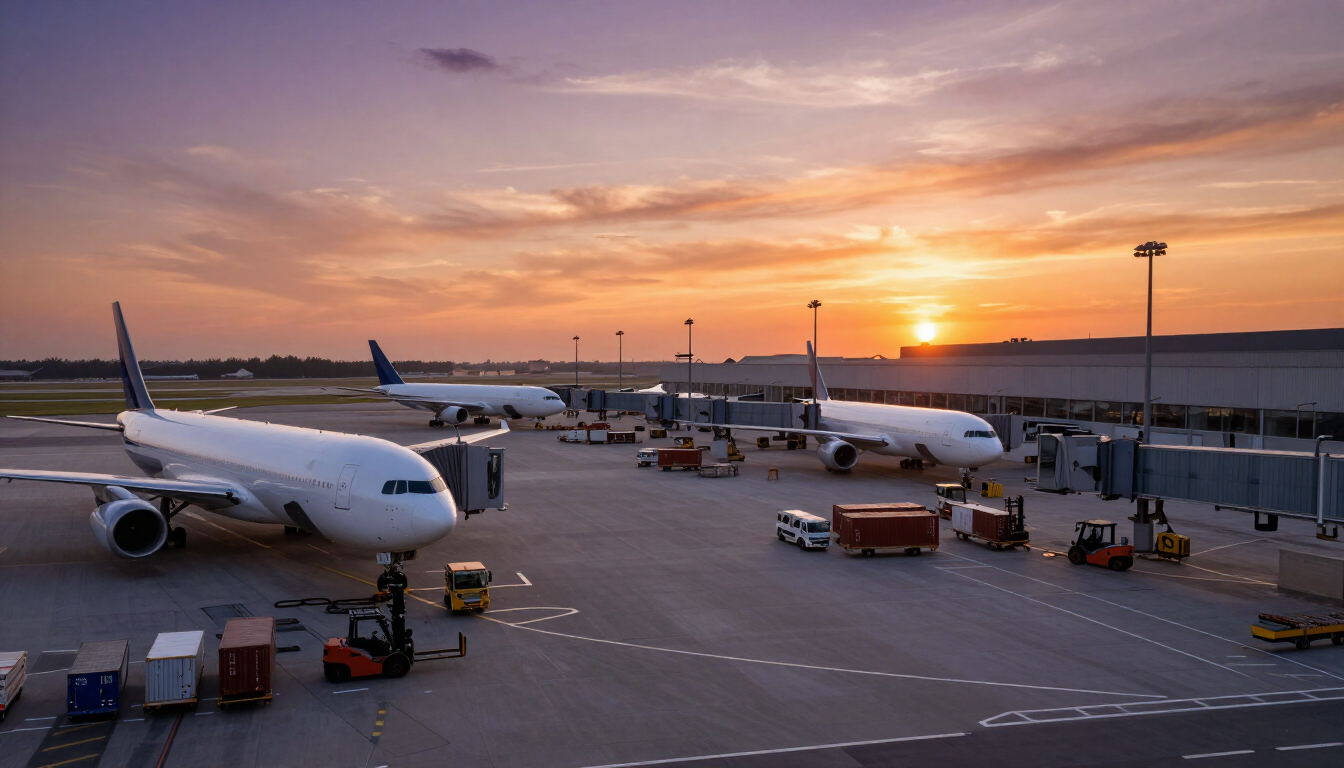
International Cargo Transport

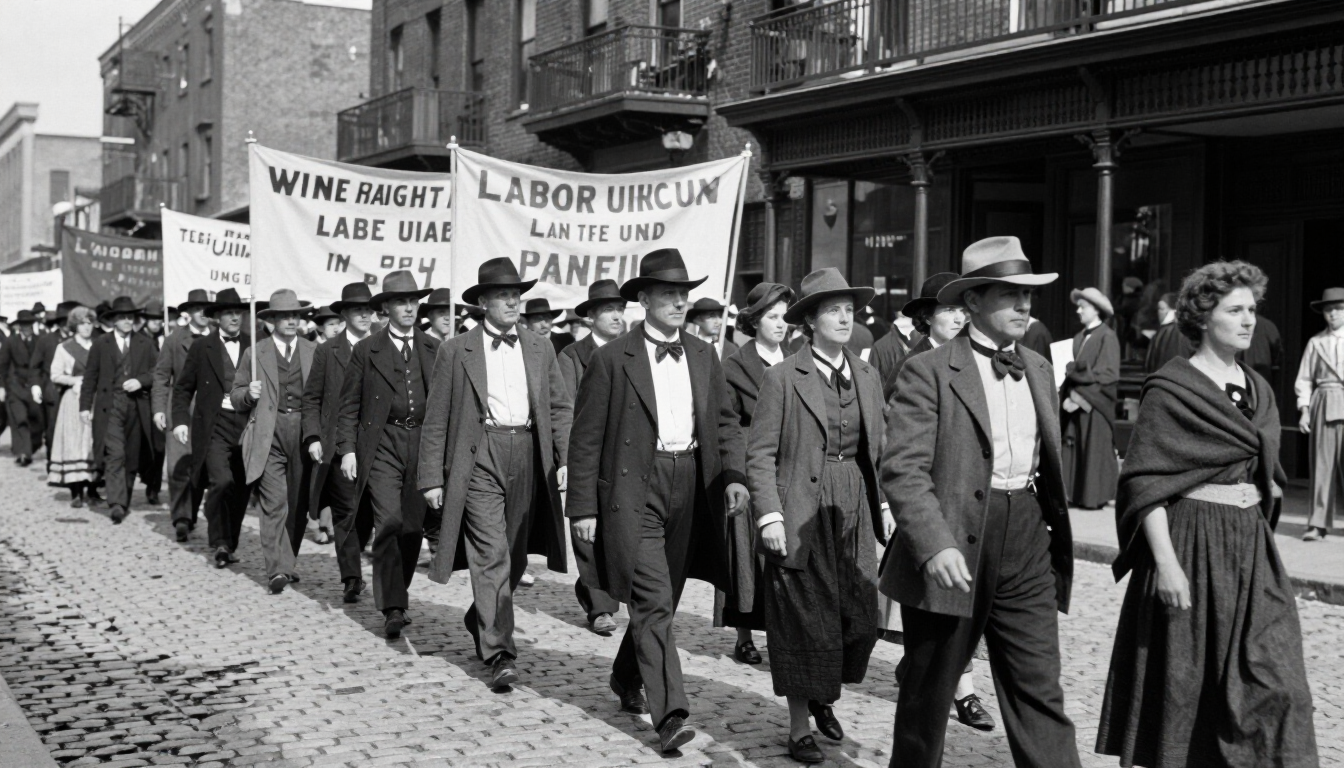
Essential Documentation for International Shipping

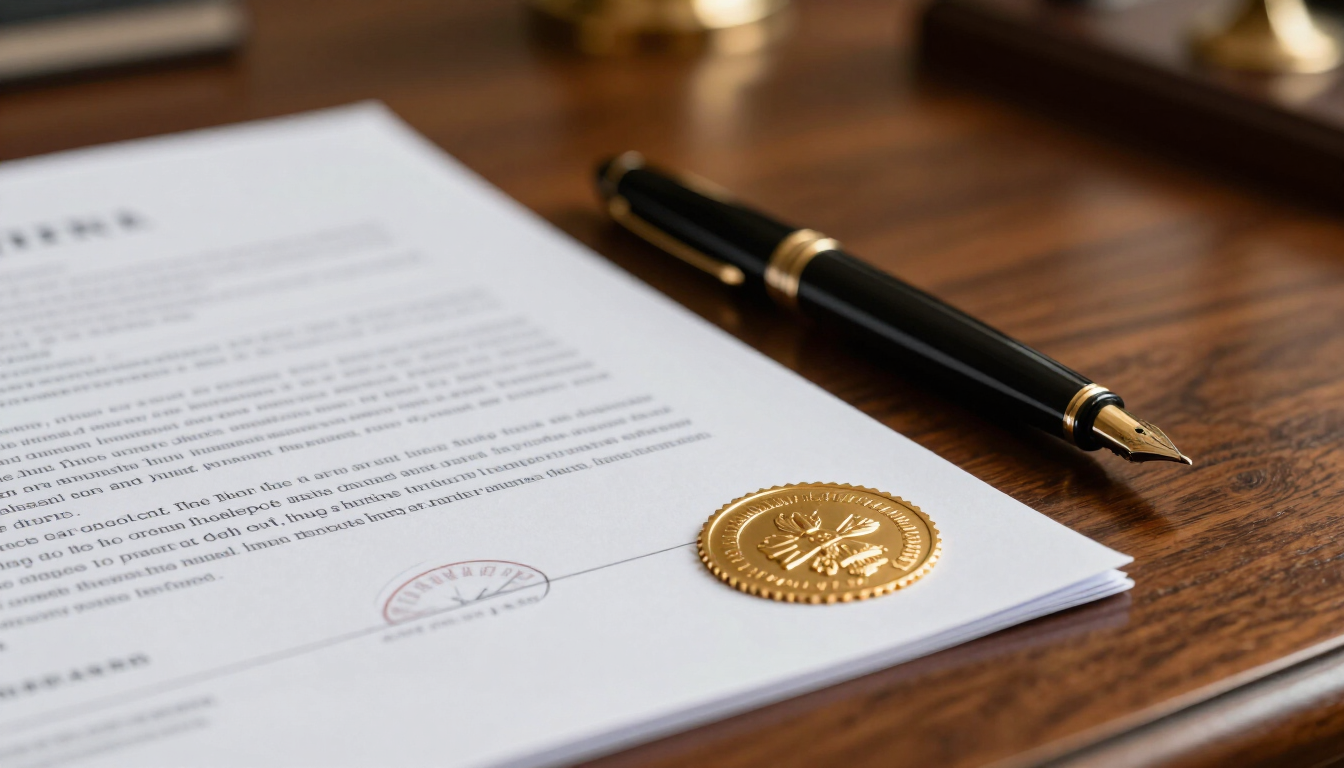
One of the most daunting aspects of repatriating a loved one to Latin America is the sheer volume of paperwork required. Each document serves as a safeguard to ensure the identity of the deceased and the safety of the public. Without the correct stamps and seals, remains can be held at the border or denied entry into the destination country, causing further distress to grieving families.

The core documents required for most Latin American countries include:

  • Certified Death Certificate: The original document issued by the local health department.
  • Burial Transit Permit: A permit issued by the local registrar allowing the remains to be moved.
  • Non-Contagious Disease Letter: An affidavit from the health department or medical examiner confirming the deceased did not have a communicable disease.
  • Embalming Certificate: A notarized document from the funeral home confirming the body was prepared for international travel.
  • Certified Translations: All English documents must usually be translated into Spanish by a certified translator.

In addition to these, the "Apostille" is perhaps the most critical component. An apostille is a form of authentication issued to documents for use in countries that participate in the Hague Convention. It verifies the signature of the official who signed the death certificate. If the destination country is not part of the Hague Convention, a different form of authentication through the U.S. Department of State may be required. Managing these details is a standard part of our Cremation Services and full-body repatriation packages at Into Our Kare.

How do you coordinate with consulates and obtain apostilles?

Each Latin American country has its own consulate with specific rules for how they accept remains. For example, the requirements for shipping to Mexico might differ slightly from those for Honduras. The consulate’s role is to verify all U.S. documents and issue their own official permit that allows the deceased to enter the home country. This often requires a physical visit to the consulate by the funeral director or a designated representative.

Obtaining an apostille requires sending the certified death certificate to the Secretary of State’s office. In North Carolina, this means coordinating with the office in Raleigh. This step is non-negotiable for most international transfers. The apostille serves as the "international seal of approval," telling the foreign government that the American document is legitimate. While this sounds straightforward, the timing is critical. You cannot apply for the consulate permit until you have the apostille, and you cannot book the flight until you have the consulate permit.

At Into Our Kare, we take the burden of this coordination off the family. We understand that in your time of grief, navigating government bureaucracy is the last thing you want to do. We handle the courier services to the Secretary of State and the appointments with the consulates. This ensures that every "i" is dotted and every "t" is crossed, preventing delays that could disrupt scheduled burial services in your home country. If you have questions about a specific country, we encourage you to Contact Us for a detailed consultation.

Shipping Logistics for Human Remains vs. Cremated Ashes

The logistics of moving a loved one across borders change significantly based on the form of the remains. For human remains, the body must be embalmed according to international standards. This is not just a preference; it is a legal requirement for air travel. The deceased is then placed in a "Ziegler case" (a zinc-lined container) or a hermetically sealed casket, which is then placed inside an airline-approved shipping container known as an "Air Tray."

Air transport for human remains involves booking space on a commercial airline that offers specialized funeral shipping services. These are known as "known shipper" regulations. Only licensed funeral homes can book these flights. The airline treats the shipment with the utmost respect, ensuring that the remains are the last to be loaded and the first to be unloaded. Families are provided with an airway bill number so they can track the progress of their loved one’s journey.

For cremated remains, the process is slightly simpler but still requires strict adherence to rules. Many families choose Cremation Services because it is more affordable and allows for easier transport. Cremated remains can be carried on an airplane as a carry-on item (provided the urn is made of a material that can be X-rayed, like wood or plastic) or shipped via the U.S. Postal Service (USPS). USPS is the only legal carrier for cremated remains in the U.S., and they must be sent via Priority Mail Express International, clearly labeled with "Label 139."

Family Support and Guidance

What are the costs for repatriating to Latin America?

Understanding the financial aspect of repatriation is crucial for planning. The costs are divided into three main categories: funeral home fees, third-party document fees, and transportation costs. Because the distance and consulate requirements vary, these numbers are estimates, but they provide a baseline for families to begin their planning.

Typical cost breakdowns include:

  1. Direct Cremation and Repatriation of Ashes: The cost for a simple cremation in the U.S. starts at approximately $2,100 . This includes the cremation itself, the basic documentation, and preparation for travel. Shipping or travel costs for the urn are additional.
  2. Repatriation of Human Remains (Full Body): This is more labor-intensive and expensive. Costs typically range from $4,500 to $7,500 . This covers the professional services of the funeral director, embalming, the required shipping container (Air Tray), and the local transportation to the airport.
  3. Airline Fees: These are separate from funeral home fees and are based on the weight of the shipment and the destination. Flights to major hubs like Mexico City or San Salvador may be more frequent and slightly less expensive than flights to remote regions.
  4. Consulate and Apostille Fees: Each government entity charges its own fee for stamps and certifications. These usually range from $50 to $300 total.

While these costs can seem significant, many families find that their loved one's final wish to be buried in their native soil is worth the investment. Some also consider Green Burial options if they are staying within the U.S., but for those returning home, we strive to keep our pricing transparent and affordable. You can use our Plan Online tool to see a more detailed breakdown of our services.

Professional Assistance for a Dignified Return

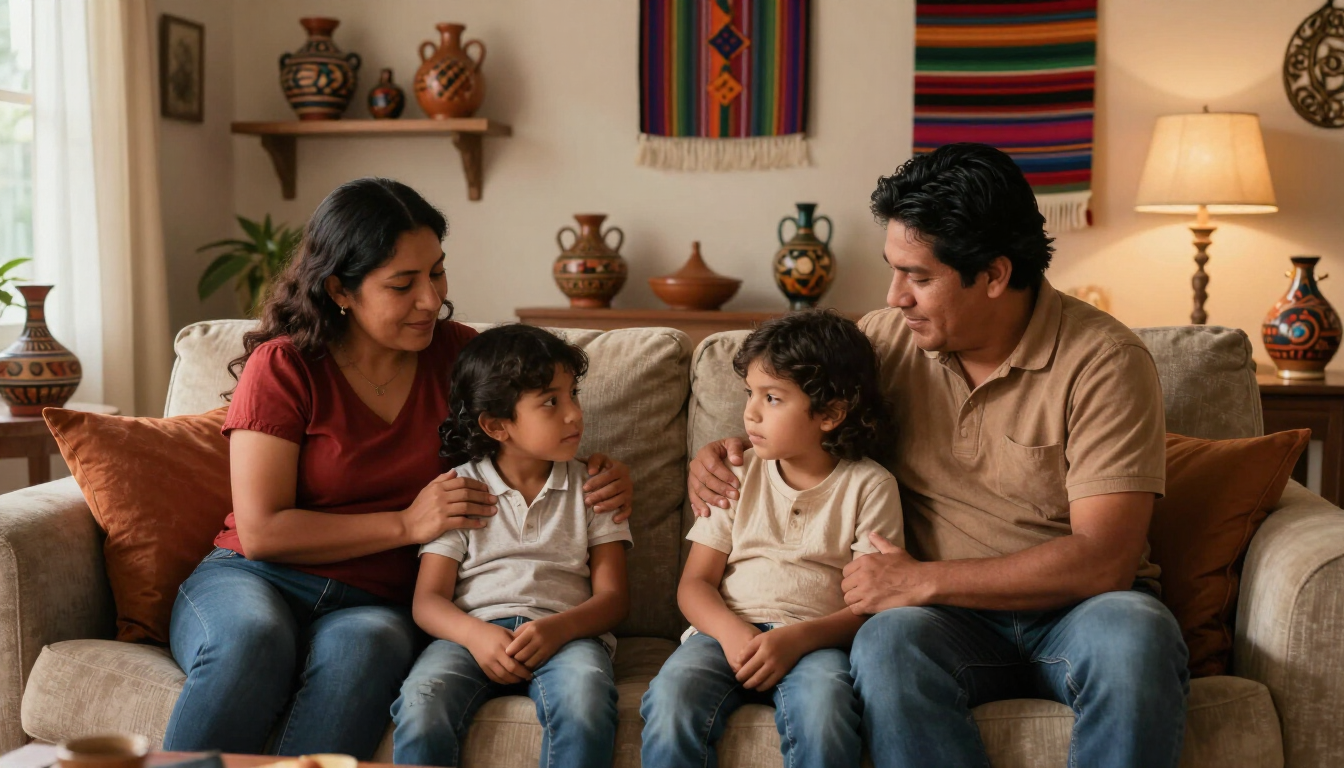
Into Our Kare serves as a mobile funeral home, which means we come to you. For families in Gaston, Lincoln, and Cleveland Counties, this convenience is vital during a time of loss. We meet you in the comfort of your home to discuss repatriation options, ensuring that you don't have to navigate a traditional funeral home environment if you prefer not to. Our licensed staff is experienced in the specific needs of the Spanish-American community and the requirements of Latin American consulates.

We manage the entire process from the first call until your loved one is safely in the hands of the receiving funeral home in your home country. This includes:

  • Retrieving the deceased from the place of death.
  • Professional embalming and preparation.
  • Securing all local and state permits.
  • Coordinating with the consulate and translation services.
  • Booking airline transportation and providing tracking details.
  • Communicating with the funeral home in Latin America to ensure a smooth hand-off.

Our goal is to provide a bridge between your life here in the U.S. and your heritage in Latin America. We treat every repatriation with the same care and respect we would give our own family members, recognizing the cultural importance of returning home.

Legal Documents and Seals

Final Summary and Takeaways

Repatriating a loved one to Latin America is a complex but deeply meaningful process. By understanding the legal requirements—from apostilles to consulate permits—and deciding between human remains or cremation, you can ensure a smooth transition. Into Our Kare is here to handle every logistical detail so you can focus on honoring your loved one’s memory.

Key Takeaways:

  • Choose the Form of Remains: Cremation is more affordable (starting at ~$2,100), while full-body repatriation offers a traditional return ($4,500–$7,500+).
  • Secure Proper Documentation: Apostilles and consulate transit permits are non-negotiable for international shipping.
  • Work with an Expert: A licensed funeral director must handle the airline bookings and consulate coordination.
  • Plan for Timing: The process usually takes 1 to 3 weeks; start the paperwork as soon as possible.

If you are ready to begin the process or simply need more information, we invite you to Contact Us or visit our Home Page to learn more about how we serve families across North Carolina with compassion and professional care.

Small woven heart on a weathered log with a soft green background
May 8, 2026
A practical guide to planning a green burial in western North Carolina. What options exist, how Into Our Kare supports natural burial families, and what to ask when you are ready to plan.

Silhouette of a person making a heart shape with hands against a golden sunset sky
May 8, 2026
Direct cremation is just the beginning. Here are the real options families have for memorializing a loved one after direct cremation, from home services to scattering ceremonies.
Airplane flying overhead against a pale blue sky
May 8, 2026
Into Our Kare has cargo shipper accounts with major airlines and experience shipping cremated remains to Mexico, Ecuador, Guatemala, the Dominican Republic, and beyond. Here is how the process works.

Red brick house with red-tiled roof and hedge along a quiet residential street
May 8, 2026
Into Our Kare brings professional funeral and cremation services to families in Cherryville, NC. Here is how at-home services work and why Cherryville families are choosing them.
Floral wreath around a dark urn on a wooden table at an outdoor memorial garden
May 8, 2026
A practical guide for Gaston County families navigating cremation for the first time. What the process involves, what questions to ask, and how Into Our Kare serves families across the county.
White flowers and a framed portrait on a wooden table, with a candle jar and a hand placing flowers.
May 6, 2026
The number of North Carolina families choosing cremation continues to grow. Here is why, and why more of them are pairing it with a personalized memorial service rather than going direct.
American flag waving on a pole against a cloudy sky
May 6, 2026
A clear guide to the funeral and burial benefits available to veterans and their families in North Carolina. What the VA provides, how to claim it, and what Into Our Kare offers veteran families.

Hands cupping green leaves with a small yellow flower over grassy ground
May 6, 2026
If environmental impact matters to how you want to be remembered, here is an honest comparison of green burial and cremation. The answer is not as simple as you might think.
Green park with scattered trees and lush grass under a bright, leafy canopy
May 6, 2026
North Carolina families can hold funeral services outdoors at parks, farms, rivers, or any meaningful location. Here is what is involved and how Into Our Kare makes it possible.
May 6, 2026
Into Our Kare is North Carolina's only licensed mobile funeral home. Here is what that means in practice, how the process works, and why families choose it over a traditional funeral home.
Show More