
The Real Cost of Labor Day
Labor Day is a federal holiday honoring the contributions and sacrifices of American workers. Far from its modern association with cookouts and retail sales, the holiday emerged from the late 19th-century labor movement, specifically born out of deadly strikes, systemic exploitation, and the fight for basic workplace safety.
Why was Labor Day created?
The origins of Labor Day are rooted in the grit and blood of the Industrial Revolution. In the late 1800s, at the height of American manufacturing, the average worker toiled for 12 hours a day, seven days a week, just to eke out a basic living. Children as young as five or six worked in mills and mines across the country, earning a fraction of adult wages while facing hazardous conditions. It was a time when human life was often viewed as secondary to production quotas and profit margins.
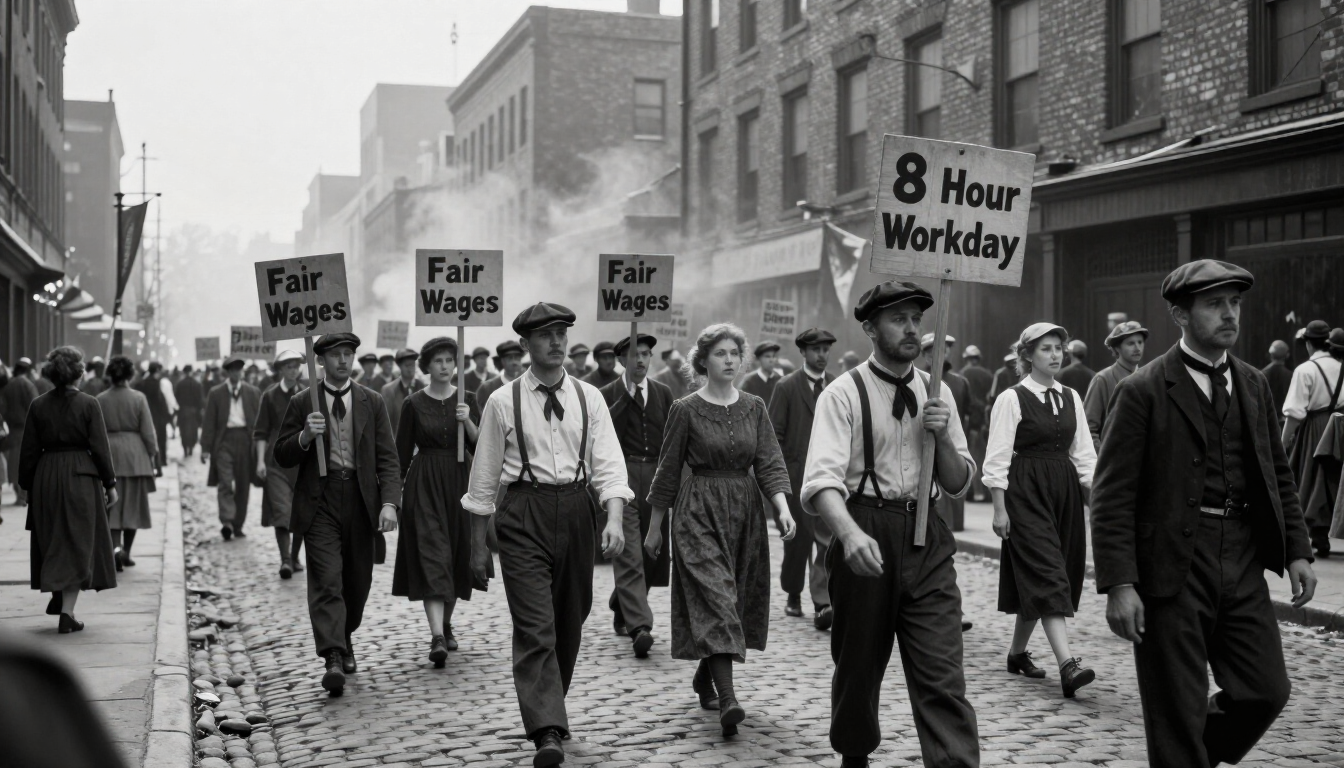
On September 5, 1882, 10,000 workers took unpaid time off to march from City Hall to Union Square in New York City. This wasn't a parade in the sense we think of today; it was a defiant statement. Organized by the Central Labor Union, this event served as the first unofficial Labor Day. These men and women were risking their livelihoods to demand an eight-hour workday and safer environments. They were tired of seeing their neighbors and children succumb to preventable industrial accidents.
For those of us who enjoy the grit and mystery of true crime, the history of the American labor movement offers a similar narrative of systemic failure, high-stakes confrontation, and the pursuit of justice. The "crime" in this era was often the neglect of the worker. While the 1882 march was peaceful, it set the stage for much darker chapters in Labor Day history that would eventually force the federal government to recognize the value of the working class. At Into Our Kare , we recognize that history is built on the lives of everyday people, and honoring that legacy is central to how we serve families in our community today.
The Deadly Cost of Early American Industry
To understand the true weight of Labor Day, we must look at the events that turned a local celebration into a national mandate. The most significant turning point was the Pullman Strike of 1894. George Pullman, the owner of a sleeping car company, created a "company town" in Illinois where his employees lived and worked. When the economy crashed, he slashed wages but refused to lower rents in his company-owned housing.
This led to a massive strike by the American Railway Union. The federal government’s response was swift and violent. President Grover Cleveland sent in thousands of federal troops to break the strike, leading to riots that resulted in the deaths of more than 30 people. The public outcry following this state-sanctioned violence was so intense that, in a desperate bid for political reconciliation, Congress passed the act making Labor Day a legal holiday just six days after the strike ended. It was a peace offering written in the blood of those who dared to stand up for their rights.
Key turning points in the movement included:
- The Haymarket Riot of 1886, which ended in a deadly bombing.
- The Homestead Strike of 1892, involving the Pinkerton Detective Agency.
- The 1894 Pullman Strike, which directly led to the national holiday.
- The Bitter fight for the five-day work week and child labor laws.
- The establishment of the Department of Labor to oversee safety.
What was the Triangle Shirtwaist Fire?
If you follow true crime, you know that the most tragic cases are often those where a disaster was completely preventable. In 1911, the Triangle Shirtwaist Factory in New York City became the site of one of the deadliest industrial disasters in U.S. history. A fire broke out on the upper floors of the building, where hundreds of young immigrant women were working. The owners had locked the exit doors and stairwell exits—a common practice at the time to prevent workers from taking unauthorized breaks or stealing scraps of fabric.
When the fire spread, the workers were trapped. Some jumped from the eighth and ninth floors to the pavement below, while others perished inside the smoke-filled rooms. A total of 146 people died. This event wasn't just a tragedy; it was a catalyst for massive reform. It exposed the horrific reality that corporate negligence could lead to mass casualties, prompting the creation of new safety standards and fire codes that protect us to this day. This dark chapter reminds us that every safety regulation we have today was likely paid for by someone’s life in the past.
The Battle of Gastonia: Tragedy at Loray Mill
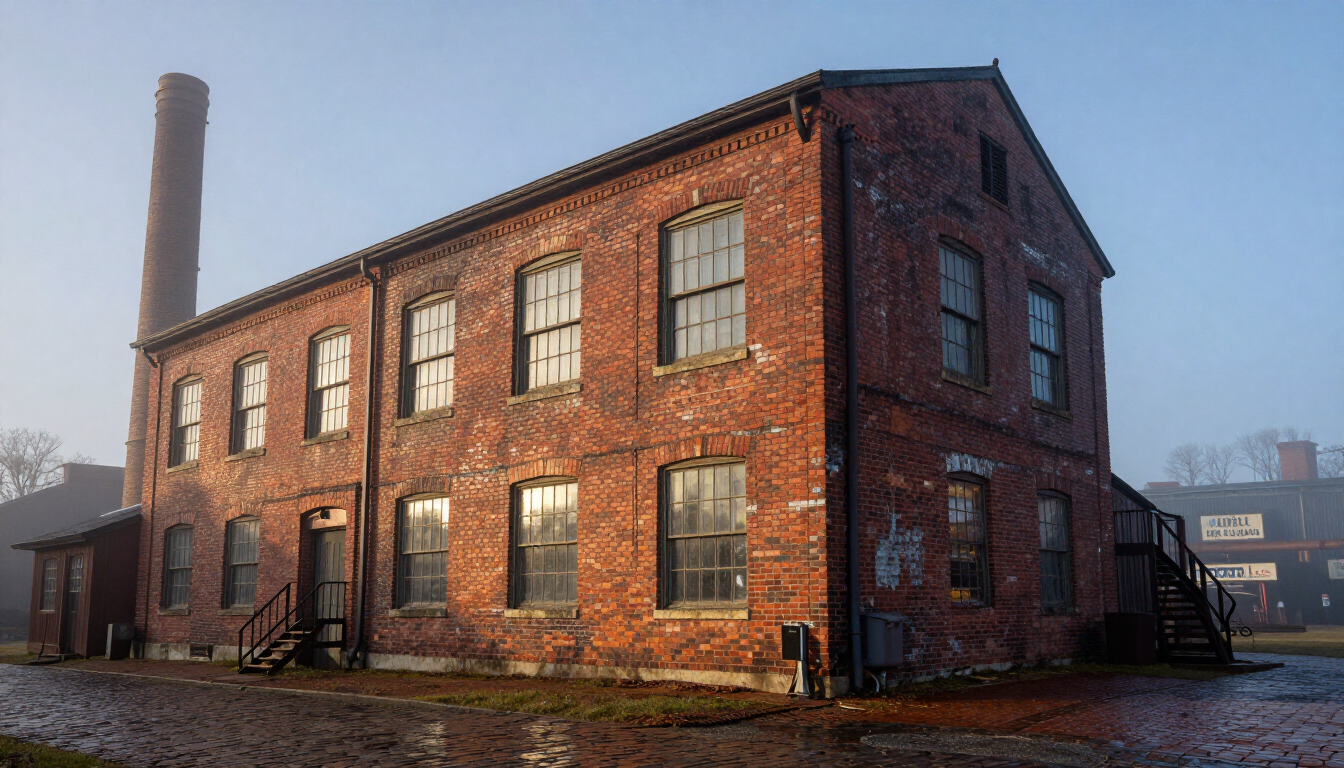
Our local history in North Carolina is deeply intertwined with these national struggles. For those living in Gastonia, NC , the Loray Mill stands as a massive monument to the Southern textile industry. In 1929, the mill became the epicenter of the Gastonia Strike, one of the most famous labor conflicts in American history. The workers were striking against the "stretch-out" system, which forced them to do more work for less pay in increasingly difficult conditions.
The tension in Gastonia culminated in a night of violence that sounds like the plot of a suspense thriller. A raid on the strikers' tent colony led to a gunfight that resulted in the death of Gastonia’s Chief of Police, Orville Aderholt. But the most poignant story from this era is that of Ella May Wiggins. A mother of nine, five of whom died from poverty-related illnesses, Wiggins became the voice of the workers through her ballads. She was murdered by a mob of anti-union vigilantes while on her way to a union meeting. Her death remains a haunting reminder of the personal cost of the fight for dignity in the workplace.
How did Lincoln County shape the textile industry?
The industrial roots of our region go back even further than the Loray Mill. In 1813, Michael Schenck built North Carolina’s first cotton mill right here in Lincolnton, NC . This was the beginning of an era that would transform the piedmont from a quiet agrarian landscape into a global powerhouse of textile production. While the Schenck Mill brought economic opportunity, it also introduced the complexities of industrial labor to the local community.
For generations, families in Lincoln County spent their lives within the walls of these mills. The sound of the looms was the heartbeat of the town. This history of hard work and community resilience is what we honor every September. It is a legacy of families sticking together through economic shifts, mill closures, and the eventual transition to new industries. We understand the importance of this heritage because we see it in the families we serve, who often share stories of their grandparents' lives in those very same mills during our cremation services arrangements.
Honoring the Spirit of Cherryville Workers
In Cherryville, NC , the labor legacy took a different but equally vital form with the rise of the trucking industry. The story of Carolina Freight Carriers Corporation is a testament to the grit of the American worker. Starting with just a few trucks, it grew into one of the largest transportation companies in the nation, providing thousands of jobs for local residents. These workers—drivers, mechanics, and warehouse staff—literally moved the American economy.
The transition from textile dominance to transportation and logistics in Cherryville shows the adaptability of our workforce. Whether in the mills of Gastonia or the cabs of Carolina Freight trucks, the people of Gaston, Lincoln, and Cleveland Counties have always known the meaning of a hard day's work. Labor Day is our opportunity to pause and recognize that our modern comforts were built by the hands of those who came before us.
At Into Our Kare, we offer a mobile funeral service that honors this local spirit of practicality and hard work. We bring our care directly to you, whether in Cherryville, Gastonia, or Shelby, because we believe that dignified service should be accessible and straightforward. We respect the history of our workers by providing compassionate, no-nonsense support when families need it most.
How can we honor Labor Day today?
While the days of the 12-hour mill shift are largely behind us, the spirit of the holiday remains relevant. Honoring Labor Day means acknowledging the ongoing efforts to ensure every person has a safe, fair, and respectful workplace. It means teaching the next generation about figures like Ella May Wiggins and the importance of advocating for one’s community. It also means taking a moment of well-earned rest, a right that was won through decades of struggle.
When we look at our local landmarks, we aren't just looking at old buildings; we are looking at the sites of historic courage. This Labor Day, take a moment to reflect on the true origins of the holiday.
Summary of why we honor Labor Day:
- It commemorates the 1894 federal act that recognized worker rights.
- It honors the lives lost in industrial tragedies like the Triangle Shirtwaist Fire.
- It celebrates the local heritage of mills in Gastonia and Lincolnton.
- It recognizes the labor of trucking and logistics pioneers in Cherryville.
- It serves as a reminder to prioritize workplace safety and fair treatment.
As we enjoy the holiday, let’s remember that the true "win" of Labor Day wasn't the day off itself, but the recognition of human dignity in the face of industrial progress. If you are interested in learning more about how we honor the legacies of local residents, we invite you to visit our Innovative Services page or reach out to our team at any time.